Recipe for Patatas Bravas with Bravas sauce
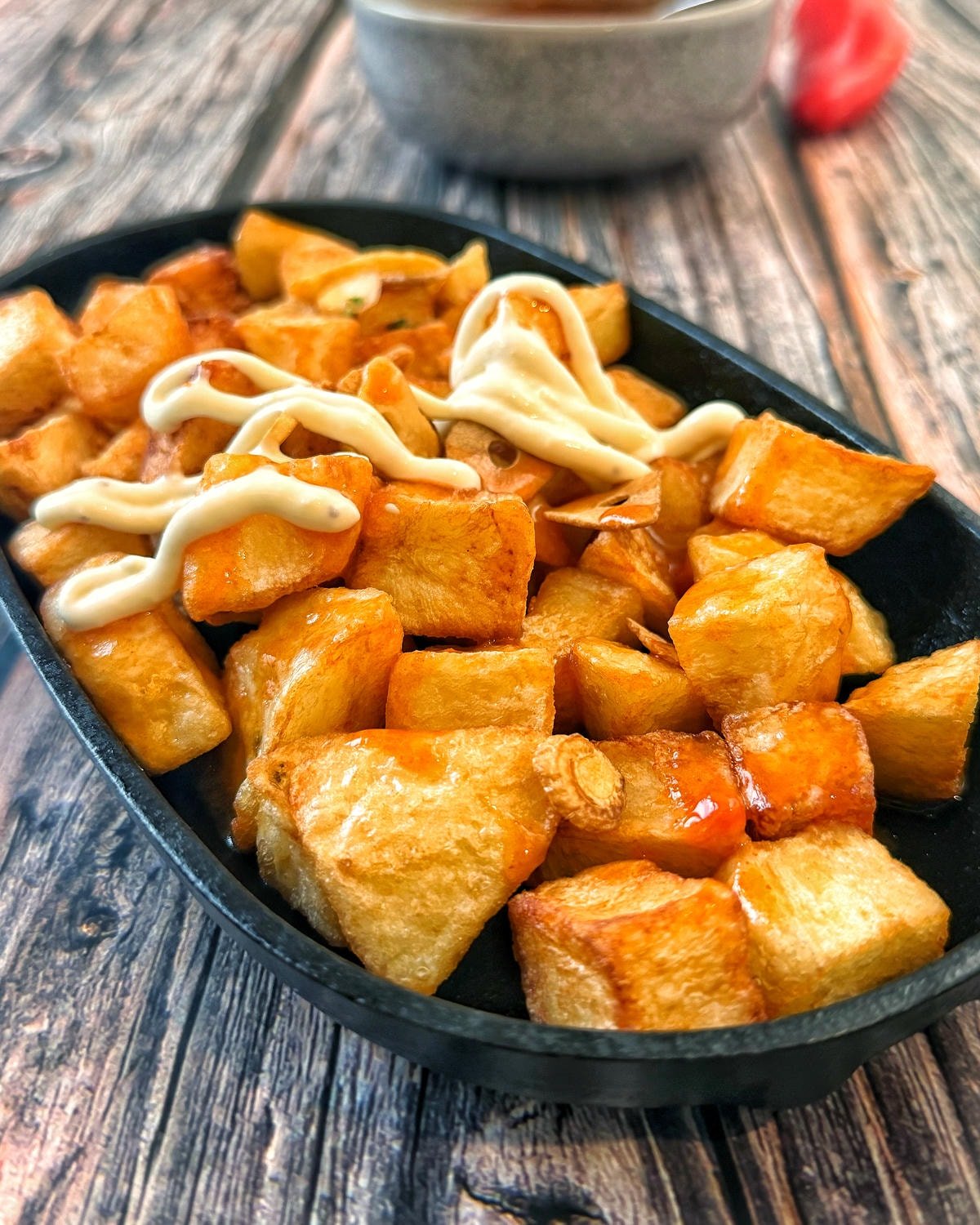
Some would say, “Another fried potato recipe?” Yes. Another fried potato recipe. And I think you’ll forgive me the moment you bite into one of these ridiculously crispy little potatoes. Golden edges, soft centres, garlicky bravas sauce and creamy aioli.
The best part? You don’t need to start yesterday. No multi-day process, no overnight refrigeration, no clearing a shelf in the fridge for a tray of potatoes that apparently needs more rest than you do. Boil. Fry. Add sauce. That’s it. Give them time to dry between boiling and frying, and you can do all that within the hour while preparing your main.

This patatas bravas recipe is one of my favourite tapas to eat with paella. You’ve got that beautifully seasoned saffron rice, piles of seafood, and then a forkful of crispy potato dragged through both sauces. Oh, come on. How good is that? Put everything in the middle of the table and let everyone dig in. Just get yourself a decent spoonful before you settle into a conversation. People can be surprisingly efficient when fried potatoes are involved.

Two parts: the sauce and the potatoes
There are two parts to this: the homemade bravas sauce and the crispy fried potatoes. Get the sauce sorted while the boiled potatoes dry, then give the frying your attention. I love a generous spread, but I’m less enthusiastic about trying to stir three things while one of my boys runs around groaning “I’m hungryyyy”.
My sauce uses garlic-infused olive oil, tomato paste and stock, smoked paprika with a little starch to give it body. It’s a mild, savoury version. Classic bravas sauces usually have heat from hot paprika or chilli; this one keeps things gentle, which suits a sharing table where everyone has a different opinion about spice (especially with my yoing boys).
I like to keep the golden garlic chips to scatter around the platter of crispy potatoes.
And for the potato part? Boil. Fry. Add sauce. Nuf’ said. That’s simple enough in my opinion.
What potatoes should you use?
Use a floury potato such as Russet. In Australia, a potato sold as suitable for chips or roasting is a useful place to start; a floury variety such as Sebago can work well.
Peel them and cut into roughly 1 cm cubes. Keeping the size consistent matters more than making every piece geometrically perfect. We’re cooking dinner, not installing bathroom tiles.
Small cubes give you lots of crisp edges, but they also cook quickly when boiled. Start checking them after about five minutes of gentle simmering. You want the outside softened and a knife to enter with a little resistance, while the cubes still hold their shape.
Don’t wander off and automatically give them 15 minutes. These are small cubes, and depending on the potato, you could come back to an accidental potato mash. I’m sure it would taste lovely with butter. It would also be quite difficult to fry into cubes again.
Dry them properly before frying
After boiling, drain gently into a large colander. Spread the cubes in one layer so steam can escape. If your colander isn’t wide enough, divide them between two colanders or spread them on a rack over a tray.
Leave them for around 15–20 minutes, or longer if necessary, until steam has stopped rising and the surfaces feel dry. Check underneath too: no visible droplets or puddles.
That drying time matters. A dry surface helps the potatoes crisp and limits splattering when the oil heats. Stopping steaming is a useful sign, but it isn’t a substitute for checking that they’re actually dry. Make the sauce while they dry. You’re still getting dinner ready; the potatoes just need a little space.
Frying potatoes from cold oil
Yes, cold oil. I haven’t forgotten to tell you to preheat it. Put the dried potatoes into room-temperature oil, then turn on the heat. It feels a bit odd the first time, especially if you’ve spent years waiting for oil to get to 180c before anything goes in.
Cold-start frying is an established technique for potatoes. Here, I’m using it after a short parboil, so the centres are already partly cooked. As the oil heats and frying gets underway, the surfaces lose moisture and develop their golden crust.
And yes, this technique may mean they absorb a bit more oil on the surface. But let’s be real, we’re not making a salad here…
Use a deep, heavy saucepan. Add enough olive oil suitable for frying to cover the potatoes, leaving plenty of space above the oil. The pot should be no more than half full with oil and potatoes combined.
Start over medium-high heat and monitor the temperature. Once the oil reaches 170–180°C, adjust the heat to keep it in that range. High heat is useful for bringing the oil up to temperature, but it isn’t something to leave on blindly.
If you need to fry in two patches, simply let the oil cool slightly before add the next batch of potatos. 10-15minutes wait between batches will do the job. Yes, the oil will not be at room temperature but neither are we performing a science experience. We are frying frying potatoes. They will still turn out delicious.

How to make the bravas sauce
Start by mixing one tablespoon of cornflour (cornstarch) with 50 ml cold water. Potato starch is an alternative. Set the slurry aside.
Heat two tablespoons of olive oil in a small saucepan over medium heat. Add one sliced garlic clove and let it gently flavour the oil. As soon as the slices turn light golden, lift them out and reserve them for serving. Don’t wait for dark brown garlic; burnt garlic is quite capable of ruining everyone’s evening.
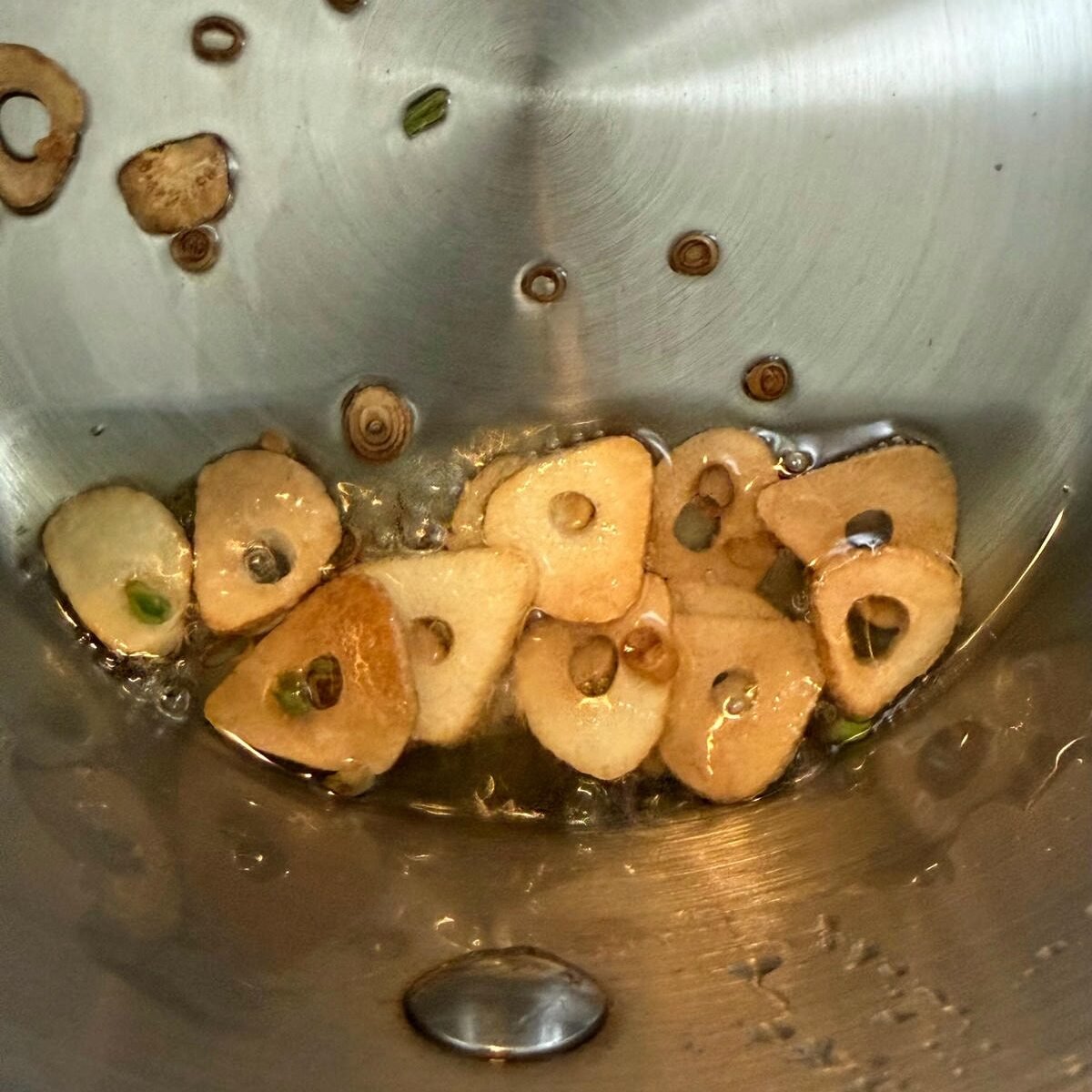
Stir one tablespoon of tomato paste into the flavoured oil and cook for around 30 seconds. Add one cup of chicken or vegetable stock and simmer gently for about 10 minutes, until reduced a little.
Stir the slurry again immediately before using it, because the starch settles. Add it gradually while stirring the sauce, starting with about half. Let the sauce thicken before deciding whether it needs more.

You’re after a loose sauce that drizzles easily, rather than something that sits on the potatoes like a dollop of aioli. You may not need all the slurry. If it gets too thick, stir in a splash of water or stock.
Bring everything together
Lift the golden potatoes out with a slotted spoon or spider and let them drain on a rack over a tray. Season with salt while hot, then transfer to a platter.
Drizzle with warm bravas sauce and aioli, then scatter over those golden garlic slices. Look at that platter. All those crisp edges, with sauce running into the gaps. Get it on the table while the potatoes are hot.
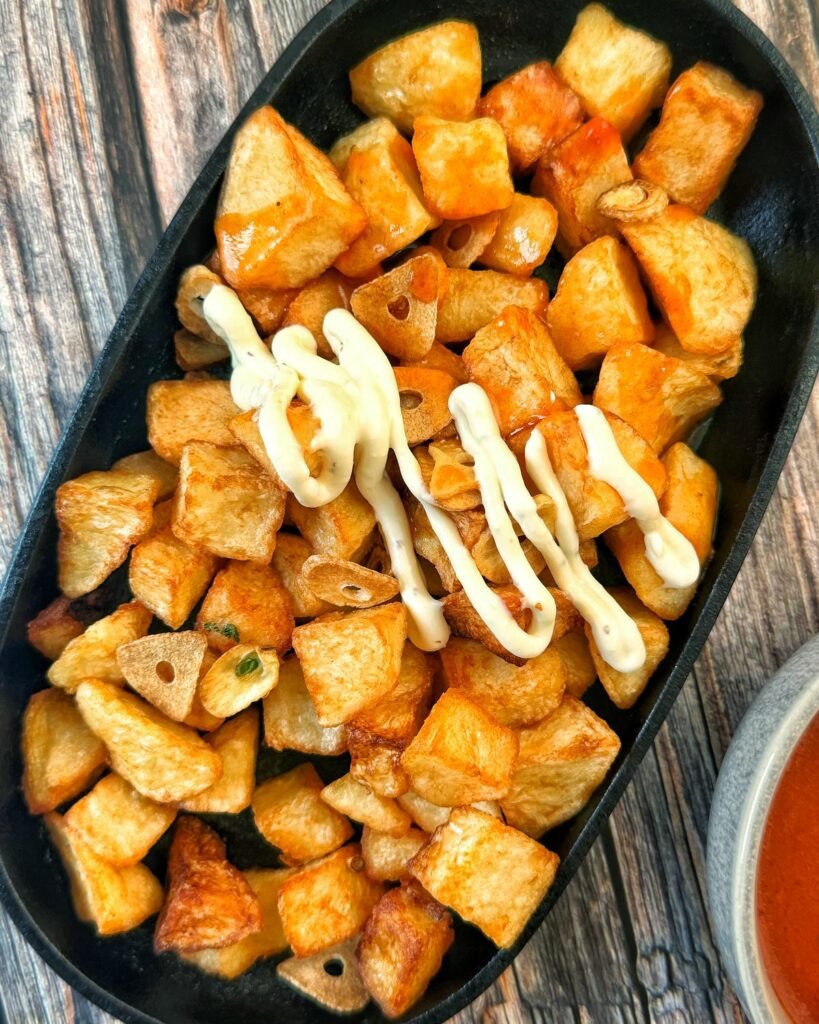
I leave some sauce on the side too, so people can add more without soaking the entire platter. I also like to take a potato before it leaves the kitchen. Quality control, obviously. Someone has to make the sacrifice.
How to turn this into a meal
For me, these crispy Spanish potatoes belong on a seafood paella table. Bring them out with the paella or alongside it, and put the platters where everyone can reach. I love that moment when the food lands and the conversation pauses because everyone is deciding what to try first.
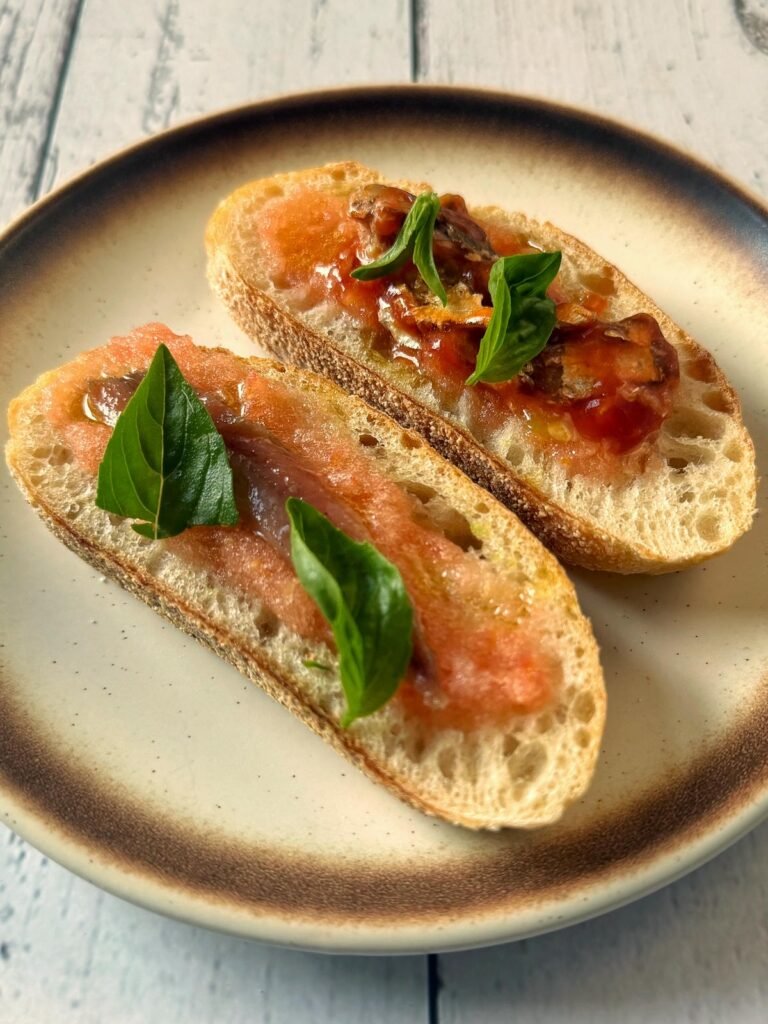
While the paella cooks, bring out some pan con tomate. Everyone has spent the past 45 minutes smelling garlic, saffron and chorizo, so of course they’re hungry. Give them something delicious to snack on. It might even buy you five minutes without someone asking, “Is it nearly ready?”.
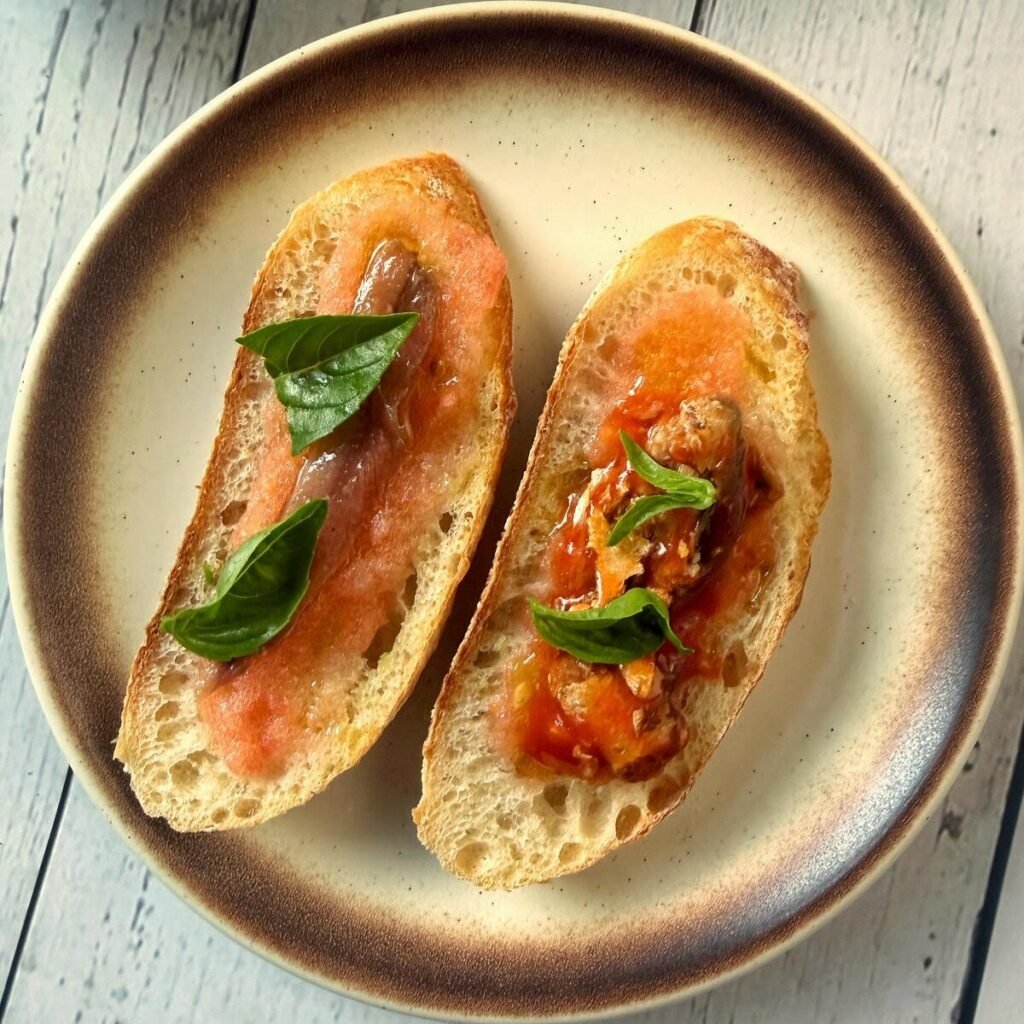
For the rest of the table, choose another dish or two. Chorizo meatballs bring something rich and savoury, while gambas al ajillo give you garlicky prawns and oil worth keeping extra bread for.


A bowl of romesco sauce is lovely with grilled vegetables on the side. Pick the dishes you feel like cooking; paella, patatas bravas and tomato bread already make a generous spread. You want time to sit down, eat and enjoy the people you’ve invited. Otherwise you’ve accidentally opened a restaurant in your house, and the customers aren’t even paying.


Ingredients
Bravas sauce
- 1 tbsp tomato paste
- 1 cup stock chicken or vegetable
- 1 clove garlic sliced
- 1 tbsp cornstarch
- 50 ml cold water
- 1 tbsp olive oil
- pinch salt
Potatoes
- 700 g potatos good for frying such as russet. Peal and cut into 1cm cubes
- 1 tbsp baking soda
Instructions
Boil and dry the potatoes
- Prepare the potatoes.Place the peeled, washed potato cubes in a saucepan and cover with cold water. Add the baking soda and bring to a gentle boil.
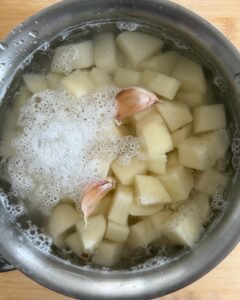
- Parboil.Reduce to a gentle simmer. Start checking after 5 minutes and continue only until the outside has softened and a knife enters with a little resistance. The cubes must still hold their shape; use doneness rather than a fixed 10–15-minute boil.
- Dry.Drain gently into a large colander and spread in one layer. Use a second colander or a rack over a tray if needed. Air-dry for approximately 15–20 minutes, until no steam remains and the surfaces are dry with no visible water. Allow longer if needed.
Make the bravas sauce while the potatoes dry
- Mix the slurry.Stir the starch and 50 ml cold water together in a small bowl.
- Infuse the oil.Heat the olive oil in a small saucepan over medium heat. Add the sliced garlic and cook gently until light golden. Remove the garlic and reserve for serving.

- Cook the tomato paste.Add the tomato paste to the flavoured oil and stir for 30 seconds.
- Reduce the stock.Stir in the stock and simmer gently for about 10 minutes until slightly reduced.
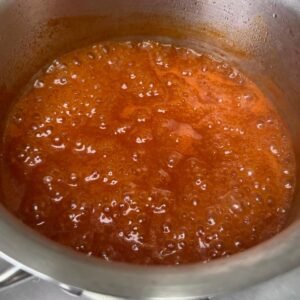
- Thicken gradually.Give the slurry a quick stir. Stir about half into the sauce and simmer briefly until thickened. Add more slurry only as needed for a loose, pourable sauce. Cornstarch should reach a gentle simmer to thicken; avoid prolonged boiling, particularly with potato starch. If too thick, loosen with water or stock. Taste before adding salt. Keep warm.
Fry and serve
- Start cold.Add potatoes into a heavy saucepan with cold oil. Yes, cold oil. With enough oil to cover the potatoes. Turn the heat onto high to bring oil temperature up to about 170c, then reduce to maintain this temperature. Allow for 10-20 minutes of frying depending on the hob, amount of oil and saucepan size.

- Another batch.Turn off the heat and remove potatoes once gold and crispy. If you need to fry another batch, let the oil cool slightly for 10-15minutes before add the next batch.
- Season and serv.These potatoes can stay crispy for a short while so do not panic if you need to make another batch or if the paella is not ready yet. These are still delicious 30minute later. Serve the fried potatoes with bravas sauce and aioli alongside your paella.